Replacing Broken Roof Tiles in Sheffield: Matching, Costs and What to Expect
A cracked tile here, a missing slate there — these feel like small problems, but they let water straight into your roof structure. Here’s everything Sheffield homeowners need to know about replacing broken tiles properly, including how to match them so your roof doesn’t look like a patchwork quilt.
Why a Broken Roof Tile Is Never Just a Broken Tile
It is tempting to look at a cracked tile and think it can wait. The truth is, a single broken tile is an open door for water, wind, and cold air. Once moisture gets under your roof covering, it starts working on the felt beneath. From there it reaches the timber battens, then the rafters. By the time you see a damp patch on your ceiling, the damage is already well underway.
Sheffield’s weather makes this worse. We get heavy rain, strong winds, and freeze-thaw cycles that crack and loosen tiles faster than properties in milder parts of the country. A tile that’s cracked but still sitting in place might look fine until the first hard frost pops it loose completely.
Replacing broken roof tiles quickly — and correctly — is almost always cheaper than fixing the water damage that results from ignoring them. The repair itself is straightforward; the tricky part is getting the match right.
How to Spot Tile Damage Before It Becomes a Problem
You don’t need to get up on the roof yourself. From the ground with a pair of binoculars — or just a careful look from the garden — you can often spot the early signs of tile failure:
- Tiles that are visibly cracked, chipped, or split
- Missing tiles leaving bare felt or timber exposed
- Tiles that have slipped out of alignment (one end lifted or dropped)
- Granules in the gutters, which indicate aging concrete tiles shedding their surface
- Dark staining on the underside of your roof deck or loft ceiling
- Damp smells in the loft, particularly after rain
If you’re unsure, we can carry out a drone survey or ladder inspection to assess the full picture without you needing to guess from the ground.
Good rule of thumb: If you had a storm in Sheffield recently and haven’t checked your roof since, it’s worth doing so now. Wind damage often affects the ridge line, gable ends, and any tiles around chimney penetrations first — these are the areas that take the most force.
The Tile Matching Challenge in Sheffield
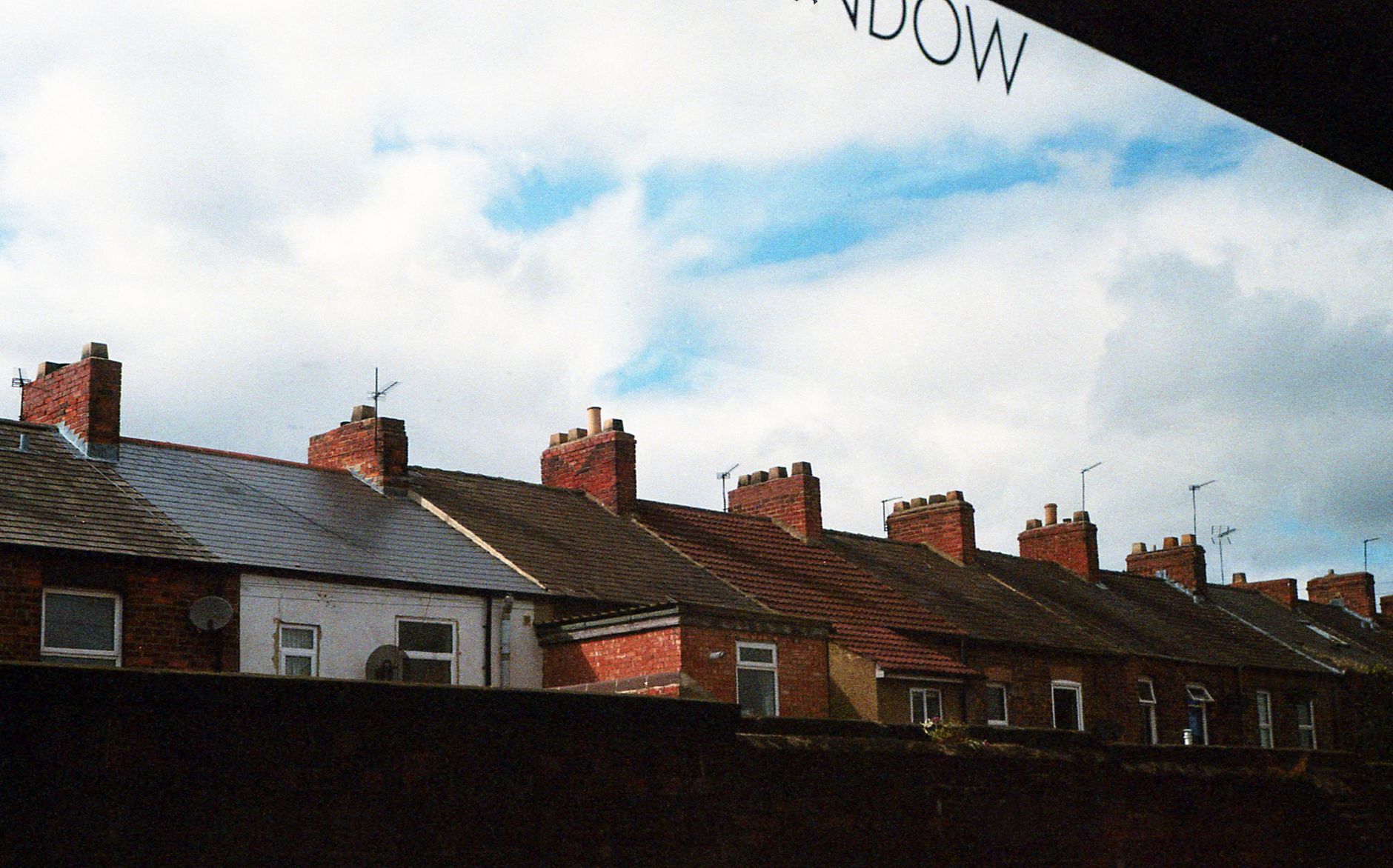
This is where most straightforward tile repairs get complicated. Sheffield has a huge variety of property ages and roof types. Victorian terraces in areas like Nether Edge, Sharrow, and Hillsborough often have older clay or Welsh slate roofs. Interwar semis in Woodseats and Crosspool typically have concrete interlocking tiles. Newer builds use modern concrete tiles in various profiles.
The problem is that roofing tile manufacturers change their product ranges over time. A profile that was standard in 1985 might be discontinued today. A clay tile from a period property might no longer be in production, requiring reclaimed materials to get a proper match.
Getting the match wrong doesn’t just look bad — it can affect waterproofing. Tiles of slightly different profiles may not interlock correctly, leaving gaps where water can track underneath.
What Affects Tile Matching
- Profile: The shape of the tile — plain, interlocking, Roman, pantile, double camber, etc. Must match your existing tile exactly.
- Material: Concrete, clay, or natural slate all age differently and have different colours and textures.
- Colour: New tiles rarely match aged tiles exactly, even of the same type. A small-scale repair will often be visible from the street. For larger sections, blending old tiles into less visible areas can help.
- Size: Tiles come in various sizes — even small differences mean tiles won’t sit correctly alongside existing ones.
- Manufacturer: Some manufacturers are regional, or products are only available through specialist suppliers.
An experienced Sheffield roofer will know which suppliers stock which profiles, and may have access to reclaimed tiles for period properties. This is worth asking about before you book anyone in.
Types of Roof Tiles Found on Sheffield Homes
Understanding what you have makes it easier to source a match.
| Tile Type | Typical Properties | Matching Difficulty |
|---|---|---|
| Natural Welsh Slate | Victorian/Edwardian terraces, period homes | Moderate — reclaimed slate often available |
| Spanish Slate | 1990s–2010s properties | Low — widely available new |
| Concrete Interlocking Tiles | Post-war semis, 1960s–1990s homes | Moderate — profiles vary widely by age and brand |
| Plain Clay Tiles | Arts and Crafts, interwar period homes | High — some profiles discontinued |
| Concrete Plain Tiles | 1950s–1980s properties | Low to moderate — still widely available |
| Handmade Clay | Listed buildings, conservation areas | Very high — specialist sourcing required |
What Tile Replacement Actually Involves
A professional roof tile replacement is a more involved process than it looks from the ground. Here’s what happens on a typical repair visit:
1. Scaffolding or Access Arrangements
Safe access comes first. For smaller repairs — say, two or three tiles — a ladder may be sufficient with the right safety equipment. Larger sections, anything on a steep pitch, or work near the ridge typically requires scaffold. We’ll always assess access before starting and won’t cut corners on safety.
2. Removing Damaged Tiles
Broken or slipped tiles need to be carefully removed without disturbing the surrounding tiles. Neighbouring tiles are often temporarily lifted to access the broken one. If the tile is nailed or clipped, those fixings need to be removed cleanly to avoid damaging the battens below.
3. Checking What’s Underneath
Once a tile is removed, we check the felt and battens underneath. If a tile has been broken or missing for a while, the felt may have been compromised, or the batten may have started to rot. Catching this now — while we’re up there — prevents a much bigger repair job later.
4. Installing the Replacement Tile
The new tile is fixed correctly — clipped, nailed, or torched depending on the tile type and specification. In exposed locations or on high-pitched roofs, additional fixings may be recommended to prevent future lifting.
5. Pointing and Bedding (If Needed)
Ridge tiles, hip tiles, and verge tiles that sit in mortar may need repointing alongside the tile replacement. Cracked or loose mortar around these areas is a common cause of leaks and tile movement.
How Much Does It Cost to Replace Roof Tiles in Sheffield?
Cost depends on tile type, access requirements, and how many tiles need replacing. Here are realistic ballpark figures for 2026:
| Repair Scope | Typical Cost Range | Notes |
|---|---|---|
| 1–3 tiles (ladder access) | £80–£180 | Includes call-out and materials |
| 4–10 tiles (scaffold may be needed) | £200–£500 | Scaffold adds £250–£500 depending on height |
| Slate section repair (5–20 slates) | £300–£800 | Higher if reclaimed slate required |
| Ridge tile rebed/repoint (per metre) | £40–£60/m | Often combined with tile repair visits |
| Larger section replacement (full slope) | £800–£3,000+ | Approaches partial re-roof pricing |
Note on scaffold: Scaffold costs can appear to make small repairs expensive. However, scaffolding that’s already up for one repair is an excellent opportunity to get your whole roof checked at no extra access cost. We always recommend a full inspection while we’re up there.
Repair vs Re-Roof: Where’s the Tipping Point?
Replacing a few broken tiles is almost always worth doing. But if your roof has 20, 30, or more tiles that are cracking, slipping, or failing, you may be throwing money at a roof that’s simply reached the end of its life.
The signs you might be better off re-roofing rather than repeatedly repairing include:
- Multiple tiles failing across different areas of the roof
- The roof is over 50 years old (concrete tiles) or over 80 years old (natural slate) without major works
- The felt under the tiles has fully deteriorated (visible during inspection)
- Repair bills are adding up year-on-year with no end in sight
- You’re struggling to match tiles on a roof with widespread weathering
A good roofer will tell you honestly which camp you’re in. If tile repairs make sense, we’ll carry them out. If a full re-roof is the better long-term decision, we’ll say so — with a full explanation of why.
Choosing the Right Roofer for Tile Replacement in Sheffield
Tile replacement sounds simple, but it’s easy to get wrong. Poorly fitted tiles let water in, can damage surrounding tiles, and may void your roof’s guarantee. When selecting a roofer, look for:
- Local experience — a Sheffield roofer will know the common tile types and local suppliers
- Transparent quotes that include materials, labour, and access costs
- Willingness to inspect what’s underneath the tile, not just swap it out
- Insurance-backed guarantees on the work done
- No pressure — a reputable roofer will give you a quote and let you decide
At RBC Roofing, we’ve been repairing Sheffield roofs since 2012. We know the tile profiles used across this city, we have access to the suppliers that stock them, and we’ll always tell you what we find when we get up there — no surprises, no upselling.
Broken or missing tiles? Get them sorted properly.
Free survey. Honest quote. No pressure. Call Alex on 07966 234939 or book online today.